Happy Tight Roots

Caleb Ryan
| 09-06-2026

It sounds a bit unfair at first. A plant with limited space below the surface, roots gently pressed together, and not much room to spread out.
Yet for many plants, this condition can lead to stronger growth, more blooms, and a more compact shape. For Lykkers who enjoy understanding the hidden logic of plant care, this is one of the most surprising lessons.
This guide explores why some plants respond positively to mild root stress and how you can use that knowledge in a practical way. The key is balance. Too much restriction leads to trouble, but a slight limitation can push a plant to focus its energy more efficiently. Once you recognize the difference, you can adjust your care with more confidence and fewer random guesses.
These cheerful giants are easier than you think — and you might get 16 feet tall
Roses aren't as hard as their reputation — these rules change everything
Orange trees can thrive in pots and produce fruit for decades with minimal care.
This Mediterranean herb forgives almost everything — except wet feet and no sun
Basil, mint, and oregano — you can grow all of them indoors with zero garden space.
No yard needed—container strawberries can produce just as well as those in garden beds.
Why Slight Root Stress Can Help
At first glance, giving roots less space seems counterproductive. But plants are excellent at adapting. When space becomes limited, they shift priorities in ways that can actually improve visible growth above the soil.
Energy Gets Redirected Upward
When roots have endless space, a plant often invests energy into expanding below the surface. This is useful in nature, but in a container, it can delay visible growth. Leaves and stems may develop slowly because the plant is busy building its underground network.
With slight root restriction, that expansion slows down. The plant begins to redirect more energy upward into leaves, stems, or even blooms. You may notice that growth above the soil becomes more noticeable and satisfying.
This is one reason many flowering plants perform better when they are not constantly moved into larger containers. A bit of limitation encourages them to focus on producing visible results rather than just expanding quietly below.
Roots Become More Efficient
When space is limited, roots adapt by becoming more efficient at absorbing water and nutrients. Instead of spreading widely, they work within the available area more effectively.
You can think of it as a compact system that learns to use resources carefully. This efficiency often leads to steadier growth and fewer sudden changes. The plant becomes better at handling its environment without needing constant adjustments from you.
This also explains why some plants seem more stable once they have settled into their container. They are not struggling. They are optimizing.
Growth Becomes More Balanced
Plants with unlimited root space sometimes grow unevenly. One part expands quickly while another lags behind. Slight root stress can help regulate that pattern.
You may see a more compact shape, with leaves growing closer together and stems appearing stronger. The plant looks more balanced, not stretched or uneven. This kind of growth is often easier to maintain over time.
It also makes the plant more visually appealing without needing frequent trimming or correction.
Signals Encourage Blooming
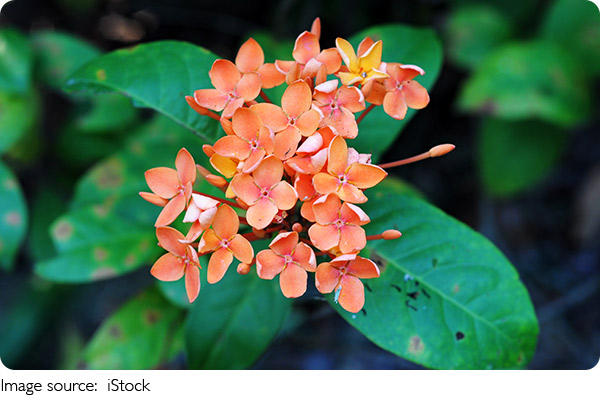
For some plants, mild root restriction sends a signal that it is time to reproduce. Instead of focusing on expansion, the plant shifts toward producing flowers.
This does not happen with every plant, but it is a common pattern. When roots feel slightly confined, the plant may interpret it as a cue to complete its life cycle by creating blooms. This is one of the reasons many indoor flowering plants perform well when they are not constantly repotted.
How to Use Root Stress the Right Way
Understanding the benefits is only half the story. The real skill lies in applying this idea without pushing your plant too far. This section helps you find that balance and use root stress as a helpful tool rather than a problem.
Know the Difference Between Slight and Severe
A little restriction can help, but too much creates stress that the plant cannot manage. Signs of excessive restriction include very slow growth, leaves that drop frequently, or soil that dries extremely fast.
Slight root stress feels stable. The plant continues growing, just in a more focused way. Severe restriction feels strained, with clear signs that the plant is struggling.
You can check by gently observing how quickly the soil dries and whether the plant still produces new growth. If everything feels balanced, you are likely in the right range.
Choose the Right Time to Repot
Repotting too early removes the benefits of mild root stress. Repotting too late can push the plant into difficulty. Timing matters.
A good moment to repot is when growth starts slowing noticeably and the plant no longer responds well to regular care. At that point, giving it more space refreshes the system without losing the benefits it gained earlier.
You do not need a strict schedule. Let the plant's behavior guide your decision.
Use Container Size Strategically
Instead of always choosing a much larger container, consider moving up gradually. A slightly larger container gives roots more room without removing all restriction at once.
This step-by-step approach helps maintain a balance between growth and control. The plant continues to benefit from mild limitation while still having space to expand.
It also reduces the risk of overwatering, which can happen when a container is too large for the current root system.
Observe Growth Patterns Closely
Every plant responds differently to root stress. Watch for changes in growth, color, and overall health, and adjust care based on how your plant reacts.
Combine with Balanced Care
Root conditions are only part of healthy growth. Consistent light, watering, and a stable environment help plants respond more positively to mild root restriction.
Enjoy the Process
Understanding how your plant grows makes care more rewarding. By observing and adjusting gradually, you can build confidence and develop a stronger connection with your plants.
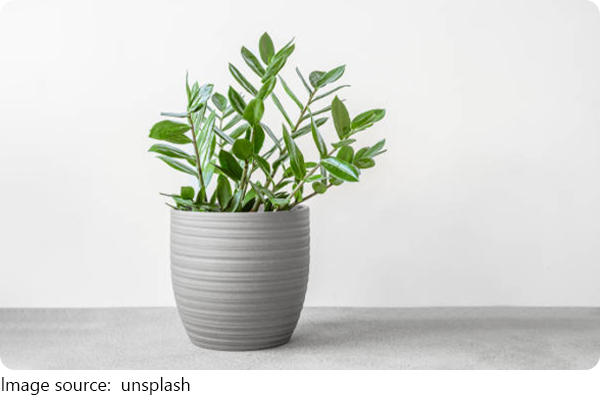
Some plants benefit from slight root stress because it encourages efficient growth, balanced structure, and sometimes even blooming. The key is to keep the restriction mild and observe how the plant responds.
For Lykkers, this approach offers a simple way to guide plant growth without overcomplicating care. With careful observation and small adjustments, you can turn limited root space into a quiet advantage.